
5 EV myths Singaporeans still believe, checked against 2026 data
EVs are now six in ten new cars in Singapore, the island is about 50 km wide, and even public charging costs less per km than petrol. Here are the five EV worries we hear most, checked against the numbers.
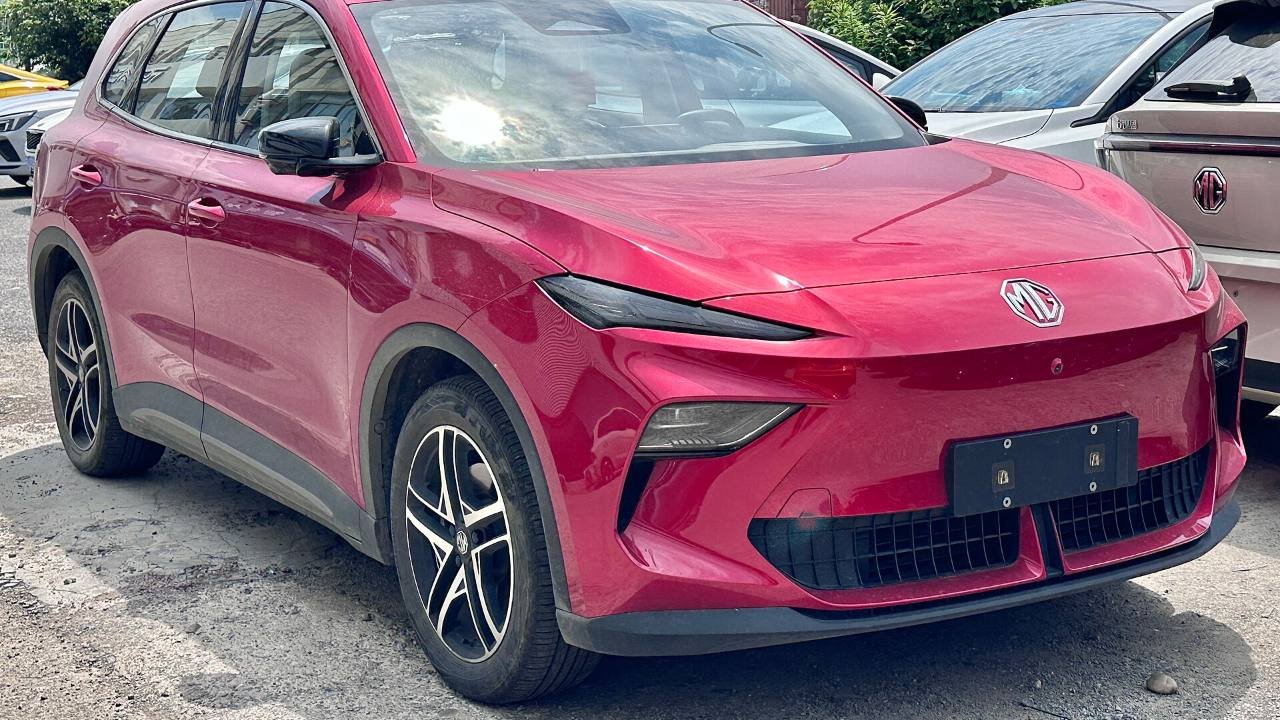
We sell petrol cars, hybrids and EVs, so we hear every worry about switching. Some are fair. Most are a few years out of date. Here are the five we hear most often, and what the numbers say today.
Key takeaways
- EVs are mainstream: 62.4% of new cars registered in Singapore in the first half of 2026 were fully electric.
- Range is rarely an issue here: an MG S5 covers about 360 km in real driving. Singapore is about 50 km across.
- Charging is cheaper than petrol, even at public chargers: about $11 to $15 per 100 km, against about $20.
- Batteries are covered for years: the MG S5's high-voltage battery warranty runs 10 years or 200,000 km.
- EVs need less maintenance, not none: no oil changes, but tyres wear about 15% to 30% faster.
Myth 1: "Nobody really drives EVs in Singapore"
In the first half of 2026, 62.4% of new cars registered in Singapore were fully electric, 27,144 cars in six months. In 2025 the share was about 45%. Add hybrids and plug-in hybrids, and about 94.5% of new cars now have some form of electric drive.
The EV population grew from about 57,200 in 2025 to over 82,000 by August 2026.
Myth 2: "I will run out of battery"
Singapore is about 50 km from east to west. The MG S5 is rated for 425 km on the WLTP test. Real-world range usually runs 10% to 15% lower, so call it about 360 km. That is Tuas to Changi about seven times on one charge.
A few things worth knowing:
- City driving suits EVs. When you slow down, the motor turns some of that energy back into charge (regenerative braking). Stop-start traffic costs a petrol car fuel; it costs an EV much less.
- Highways use more. Range drops at sustained high speed, so plan for less than the rated figure on long trips.
- Malaysia is doable. Johor Bahru is easy. Kuala Lumpur, about 350 km away, is possible with one planned fast-charging stop.
Myth 3: "Charging an EV costs as much as petrol"
Even using public chargers only, an EV costs less per kilometre.
| Cost to drive 100 km | Estimate |
|---|---|
| Petrol car (7 L/100 km at $2.80/L) | about $20 |
| EV on public DC (fast) | about $13 to $15 |
| EV on public AC (slow) | about $11 to $12 |
The EV figures use the MG S5's consumption of 17.1 kWh per 100 km and public charging rates checked in September 2026.
The gap matters most if you drive a lot. A full-time PHV driver covering about 60,000 km a year would spend roughly $11,800 on petrol, against about $6,600 to $9,000 on public charging. That is an estimated $2,800 to $5,100 a year, before any servicing savings.
Myth 4: "You will need a new battery in a few years"
On the MG S5, the high-voltage battery is covered by a warranty of 10 years or 200,000 km, whichever comes first. The car uses an LFP (lithium iron phosphate) battery, a chemistry known for a long cycle life and good stability.
To look after any EV battery:
- Charge to about 80% for daily use and save 100% for long trips.
- Mix in AC charging. Fast-charging every day adds more wear than slow charging.
- Buying used? Ask for a battery State of Health (SoH) report and check how much of the battery warranty is left, in both years and kilometres.
Myth 5: "EVs need zero maintenance"
Much less, but not zero. There is no engine oil, spark plugs or timing belt to replace, and regenerative braking does a lot of the stopping, so brake pads last longer.
Tyres are the exception. EVs weigh about 20% to 30% more than similar petrol cars, and the instant torque scrubs the tread, so EV tyres typically wear out about 15% to 30% faster. When you replace them, look for tyres rated for the weight (marked HL or XL) and check your tyre pressure monthly.
The MG S5 comes with a tyre repair kit instead of a spare wheel, so roadside assistance cover is worth having.
Frequently asked questions
What is the real-world range of an EV in Singapore?
Expect about 10% to 15% less than the WLTP rating in normal driving, and less on highways. An MG S5 rated at 425 km covers roughly 360 km in real use, enough for several days of typical Singapore driving.
Is it cheaper to run an EV than a petrol car in Singapore?
Yes, on energy cost per kilometre. At September 2026 public charging rates, an MG S5 costs about $11 to $15 per 100 km, against about $20 for a petrol car using 7 L/100 km at $2.80 per litre. Insurance can be higher for EVs, so compare the full running costs for your car.
How long does an EV battery last?
Most manufacturers cover the high-voltage battery for 8 to 10 years. The MG S5's battery warranty is 10 years or 200,000 km, whichever comes first. Charging to about 80% for daily use and avoiding daily fast charging helps the battery last.
Do EVs need servicing?
Yes, but less of it. There is no engine oil, spark plugs or timing belt. You still need to service brakes, coolant, aircon and wipers, and EV tyres wear faster than on a comparable petrol car.
Is an EV right for everyone?
No. If you drive to Malaysia every weekend or cannot charge conveniently near home or work, a hybrid may suit you better. It depends on your mileage, where you can charge and how long you keep the car.
So is an EV right for you?
It depends on how far you drive, where you can charge, and how long you plan to keep the car. For some drivers, especially those who drive to Malaysia every weekend, a hybrid still makes more sense, and we will tell you if that is the case.
At an ICE-to-EV visit, we run the numbers for your actual mileage and show you the chargers nearest your block. For the full picture on chargers, read our guide to EV charging in Singapore.
Sources
- CoeWatch: EV registrations in 2026
- Motorist: 2026 Singapore EV charging rates
- XPeng: EV tyre wear guide
- MG S5 brochure and warranty terms
Image credits

Looking at something specific?
Send us the car and we will run these numbers on it before you commit to anything.